
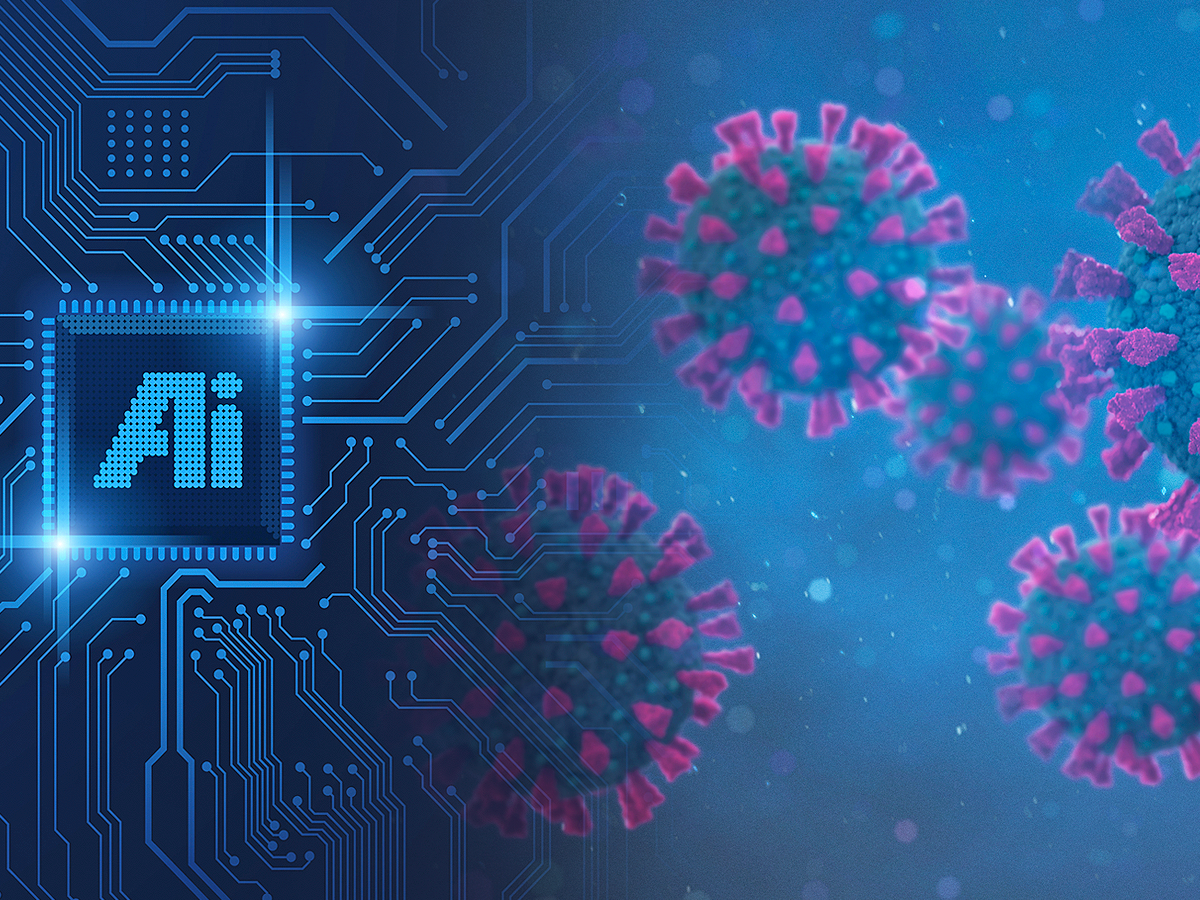
For most of the history of medicine, vaccines have been made by humans studying a known pathogen, isolating a target, and engineering a biological response to it. The process is skilled, painstaking, and inherently reactive — we wait for a virus to appear before we can begin designing a defense against it. A research team at the University of Cambridge has now done something fundamentally different. They let an artificial intelligence design the vaccine. And in June 2026, that vaccine passed its first human trial.
What Makes This Different From Every Vaccine Before It
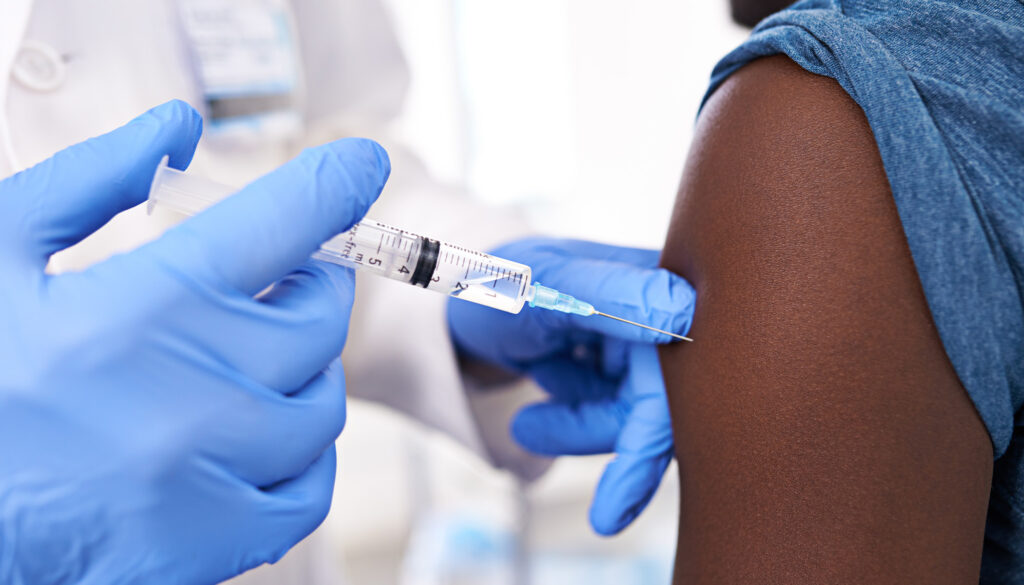
The vaccine is called pEVAC-PS, and it was developed by Cambridge and its spin-out company DIOSynVax, which stands for Digitally Immune Optimised Synthetic Vaccines. The company was founded in 2017 specifically to explore whether artificial intelligence could replace traditional antigen selection in vaccine development.
Traditional vaccines work by presenting the immune system with a piece of a specific, known virus — a protein from its surface, a weakened version of the pathogen itself, or genetic instructions for producing one. The problem is that viruses mutate. When a coronavirus shifts enough, the immune response trained against the original version may no longer recognize it effectively. That is why seasonal flu vaccines need reformulating every year, and why COVID-19 booster programs have required repeated updates.
The Cambridge team took a different approach entirely. Using machine learning, they analyzed global genetic sequence data from the entire Sarbecovirus family — the large group of coronaviruses found in nature, which includes SARS-CoV-2, the original SARS virus, and dozens of related strains circulating in bats and other animals. The AI identified structural features shared across all known members of this family: the parts of the virus that remain stable even as other regions mutate. It then designed a synthetic super-antigen — an artificial protein that does not exist in nature — built around those conserved features.
The result is a vaccine designed not just against viruses we know, but potentially against related ones that have not yet jumped to humans.
How the Trial Worked — and What It Found
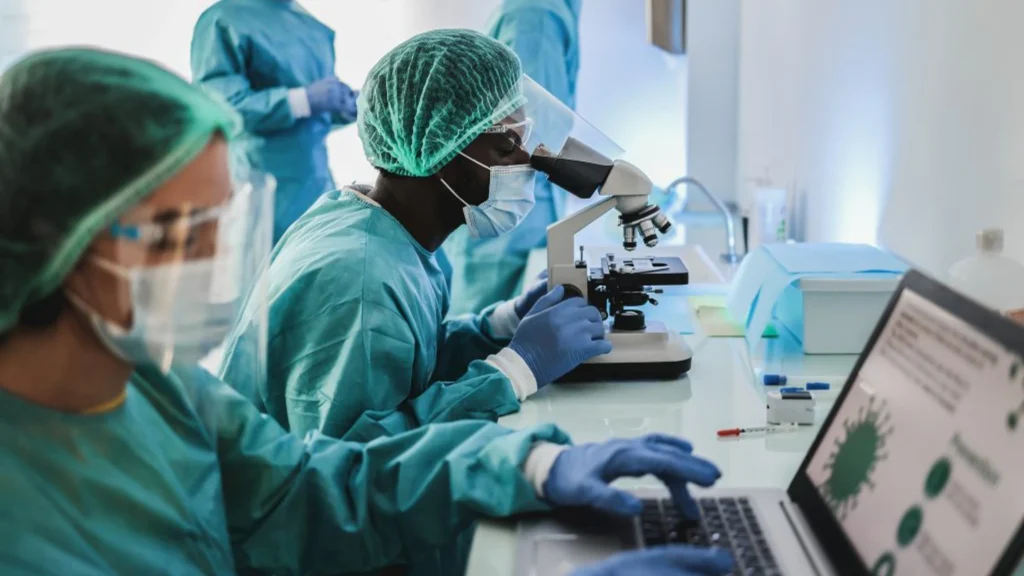
The Phase I trial enrolled 39 healthy volunteers at two National Institute for Health and Care Research clinical facilities in Southampton and Cambridge. It ran as a dose-escalation study, meaning participants received increasing amounts of the vaccine to assess safety at different levels.
The vaccine was delivered without a needle. Instead of a conventional injection, it used a microfluidic jet injection device — the PharmaJet Tropis system — which delivers the vaccine through the skin using a high-velocity micro-fluid jet. The approach is painless, reduces the risk of needle-stick injuries, and could simplify large-scale vaccination campaigns in lower-resource settings.
The results of the trial confirmed two important things. First, pEVAC-PS was safe and well-tolerated, with no significant side effects reported across all dose levels. Second, the vaccine triggered immune responses — not only to SARS-CoV-2 and the original SARS coronavirus, but to related bat viruses that have never infected a human. The antibodies generated by the vaccine recognized shared structural features across multiple members of the coronavirus family. That cross-reactive response is precisely what the AI was designed to produce, and seeing it appear in human data at this early stage is a meaningful result.
What Comes Next — and Why It Matters Beyond Coronaviruses
A Phase I trial answers a narrow question: is this safe to put in a human body? It does not yet confirm long-term protection, optimal dosing, or effectiveness in broader populations. Larger Phase II and Phase III trials will be needed before pEVAC-PS could become a licensed vaccine.
But the significance of this result extends well beyond any single vaccine candidate. DIOSynVax is already applying the same AI design platform to other infectious disease targets — including seasonal influenza, pandemic flu threats, and hemorrhagic fever viruses such as Ebola. The platform is not tied to coronaviruses. It is a general method for using machine learning to identify conserved targets across virus families and build synthetic antigens around them.
If that approach holds up across further trials, it could fundamentally change the timeline of pandemic preparedness. Instead of waiting for a new pathogen to emerge and then beginning vaccine development from scratch — a process that took roughly eleven months for COVID-19, itself a record — researchers could have AI-designed candidates ready in advance for entire families of viruses, covering threats that have not yet materialized.
The vaccine that passed its first human trial this month was designed by a computer. The next pandemic defense might already be in development — and the pathogen it targets may not even have a name yet.