The U.S. Congress has approved a fiscal year 2026 “minibus” spending package that provides $24.4 billion in funding for NASA, ensuring continued support for the agency’s major space exploration, science, and technology programs. The funding level reflects ongoing bipartisan backing for NASA, even as lawmakers balance broader budget pressures and competing national priorities.
What the Minibus Bill Means
In congressional terms, a “minibus” refers to a spending package that combines several appropriations bills into one piece of legislation. For NASA, inclusion in the fiscal year 2026 minibus brings clarity and stability after months of negotiations.
The $24.4 billion allocation largely maintains NASA’s operational momentum, allowing the agency to continue flagship programs in human spaceflight, planetary science, astrophysics, and Earth science. While the total is not a dramatic increase over previous years, it avoids the deeper cuts that had been proposed earlier in the budget process.
Human Spaceflight Remains a Top Priority
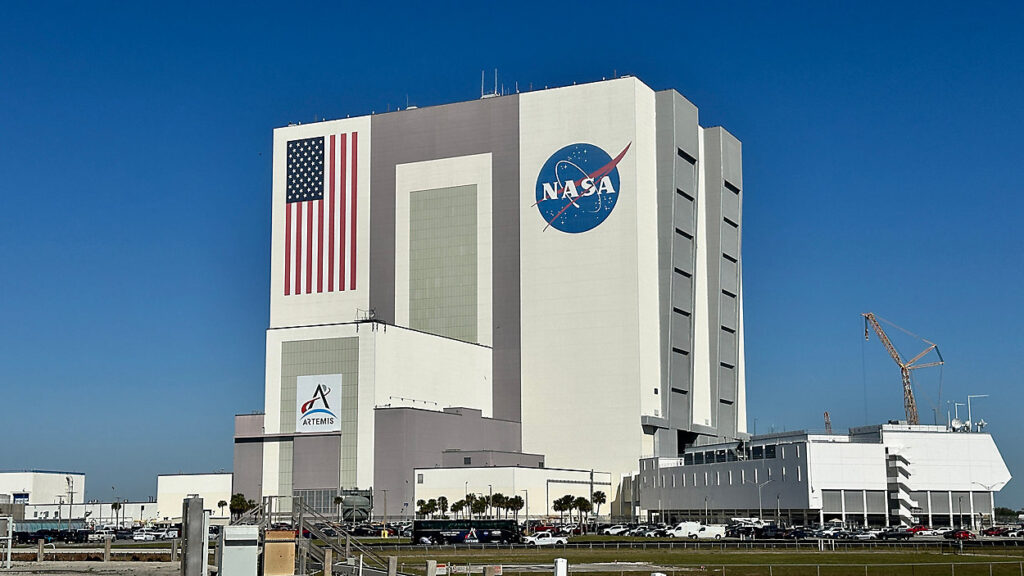
A significant portion of the funding supports human space exploration, including NASA’s Artemis program. Artemis remains central to the agency’s long-term goal of returning astronauts to the Moon and eventually preparing for crewed missions to Mars.
The funding package sustains work on the Space Launch System (SLS), the Orion spacecraft, and lunar infrastructure efforts such as the Gateway space station. While some lawmakers have raised concerns about costs and timelines, Congress continues to view Artemis as a strategic program with scientific, technological, and geopolitical importance.
Commercial crew and cargo programs also remain funded, ensuring ongoing partnerships with private companies that transport astronauts and supplies to the International Space Station (ISS).
Science Missions Largely Protected
NASA’s science directorate benefits from relatively stable funding under the minibus bill. This includes continued support for planetary science missions, space telescopes, and Earth-observing satellites.
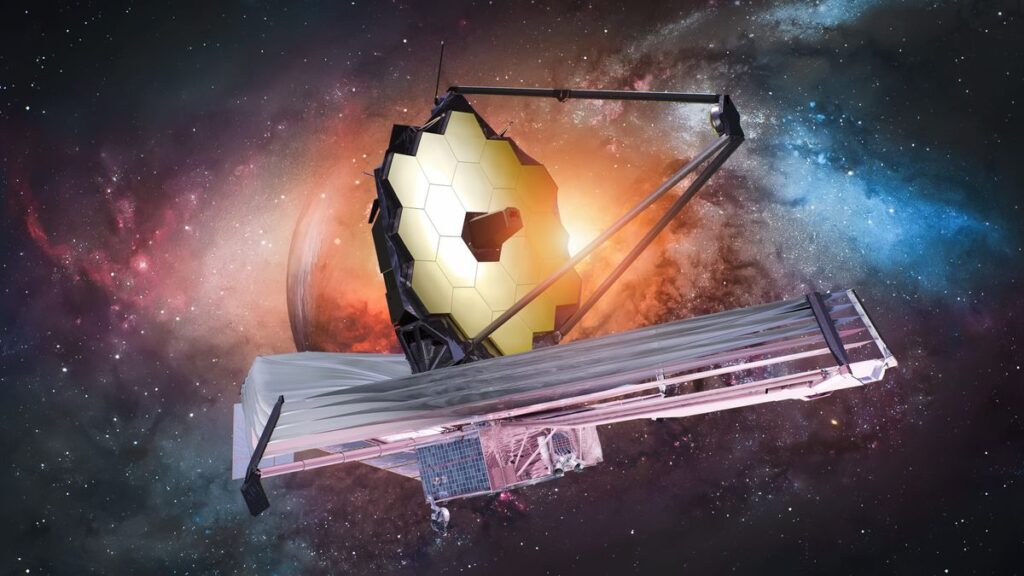
Planetary exploration programs covering Mars, the outer planets, and small bodies such as asteroids remain intact. Astrophysics funding supports ongoing missions like the James Webb Space Telescope while helping advance future observatories designed to study dark matter, exoplanets, and the early universe.
Earth science programs, which monitor climate, weather, and natural hazards, also retain funding. These missions provide critical data used by researchers, policymakers, and emergency management agencies.
Technology Development and Innovation
The fiscal year 2026 funding also continues investment in space technology development, an area NASA sees as essential for long-term exploration. This includes work on advanced propulsion, power systems, robotics, and autonomous operations.
Technology programs often receive less attention than high-profile missions, but they play a key role in reducing costs and expanding future capabilities. By maintaining funding in this area, NASA can continue testing systems that may be used on future lunar bases, deep-space probes, or crewed Mars missions.
Areas of Debate and Adjustment
While the overall funding level is seen as positive for NASA, not every program emerged unscathed. Some projects face tighter budgets, delayed schedules, or increased scrutiny from lawmakers seeking greater efficiency.
Congressional language accompanying the bill emphasizes oversight and accountability, particularly for large programs with long development timelines. Lawmakers have made it clear that continued funding will depend on progress, cost control, and transparent reporting.
What Happens Next
With the minibus bill passed, NASA now has clearer guidance as it finalizes plans for fiscal year 2026. The agency will allocate funds across its directorates, adjust project schedules where necessary, and move forward with contracts and mission planning.
NASA leadership has welcomed the funding as a sign of continued trust from Congress, while acknowledging the challenges of balancing ambitious goals with finite resources.
Why This Funding Matters
The $24.4 billion allocation ensures that NASA remains a central player in global space exploration and scientific research. It supports thousands of jobs, advances fundamental physics and space science, and helps maintain U.S. leadership in space at a time of increasing international competition.
While debates over priorities and costs will continue, the fiscal year 2026 minibus provides NASA with the stability needed to keep exploring, discovering, and developing technologies that shape humanity’s understanding of the universe.