Mexico’s government has assembled a group of scientists to assess whether hydraulic fracturing, or fracking, could be revived in the country in a more “sustainable” form, despite earlier promises by President Claudia Sheinbaum to prohibit the controversial oil and gas extraction method. The shift, part of a broader strategy aimed at reducing Mexico’s dependence on hydrocarbon imports from the United States, has alarmed many Mexican scientists, who warn that the technology poses serious risks to the environment and public health.
“There is no such thing as sustainable fracking,” says geologist Luca Ferrari, a member of the government’s 30-person evaluation committee. Even if such a version existed, he adds, Mexico lacks the necessary infrastructure to achieve its long-standing goal of energy sovereignty.
The government says it will not make a decision until the committee has completed an impartial and rigorous scientific assessment. Sustainability must be demonstrated empirically and scientifically and “cannot be a marketing slogan,” says Mexico’s science secretary Rosaura Ruiz Gutiérrez. “The way we are doing this is the way it should be done.”
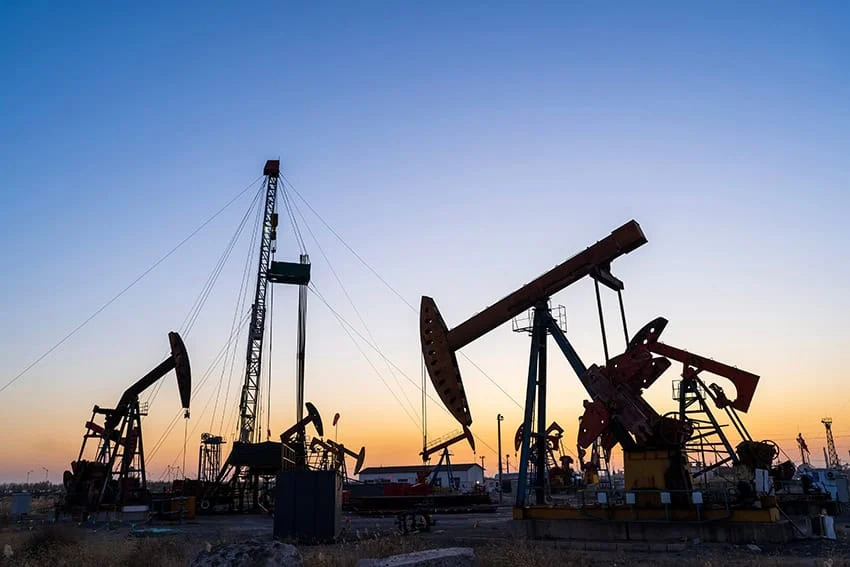
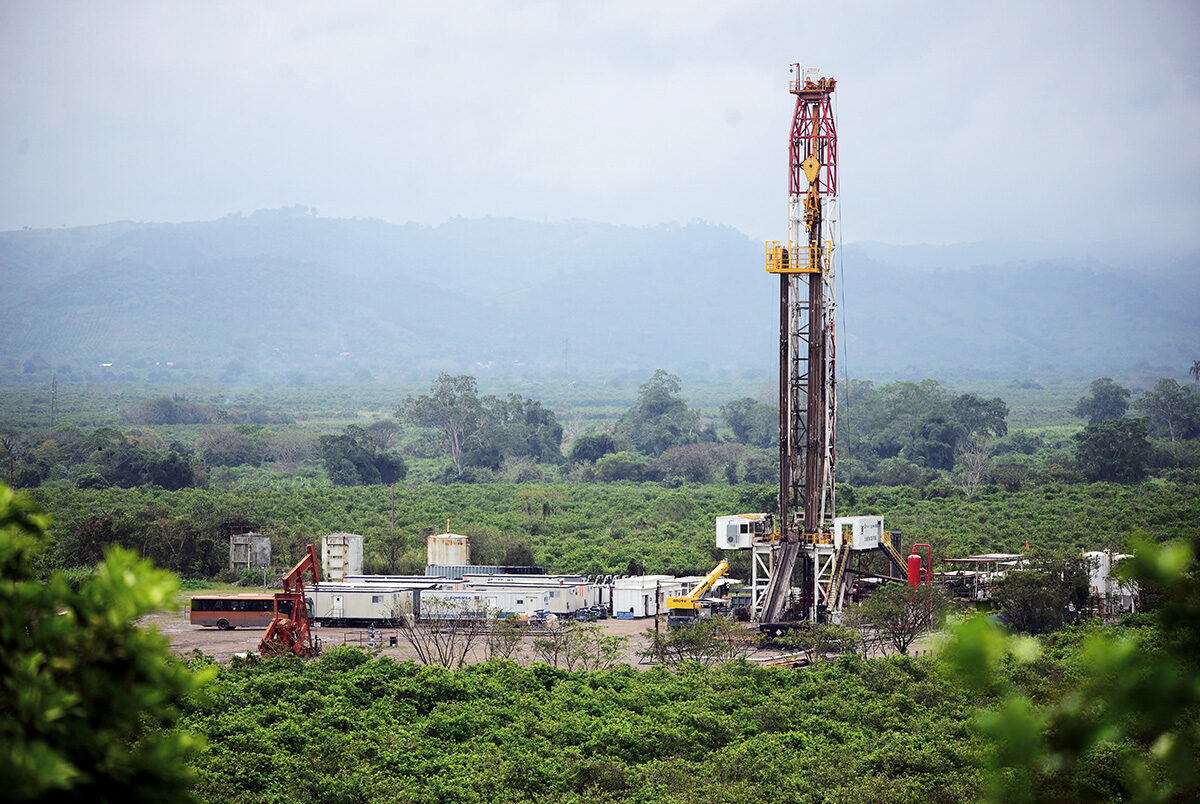
Fracking, or hydraulic fracturing, involves drilling wells up to 5 kilometers deep and then extending them horizontally through rock formations containing oil or gas. Operators inject millions of liters of water mixed with sand and chemicals at high pressure to fracture the rock and release fossil fuels. Critics point to environmental risks including methane leaks and high water consumption. Some studies suggest that contaminants from wells could reach drinking water supplies, although other research finds the risk to be limited. These concerns have led several countries and some U.S. states, including New York and Maryland, to ban the practice.
Mexico first opened the door to fracking in the 1990s and eventually developed about 8,000 wells along the Gulf of Mexico and the northern border. A proposed ban under former President Andrés Manuel López Obrador was never implemented, although new drilling declined. During her 2023 campaign, Sheinbaum pledged “not to allow the exploitation of hydrocarbons through fracking,” and many observers expected a full prohibition after her election. However, on 15 April, she announced a committee of scientists, academics, and engineers tasked with evaluating how and whether fracking could be reintroduced.
The committee, composed of experts with diverse academic and political perspectives, is examining a range of emerging technologies aimed at reducing environmental impacts. These include systems that recycle water used in fracturing or replace it entirely with liquefied petroleum gas or supercritical carbon dioxide. Other approaches involve drilling multiple wells from a single site to reduce surface disturbance.
However, scientists both inside and outside the committee caution that many of these technologies remain experimental, and their real-world environmental benefits are uncertain. “Many are currently being used only in experimental studies rather than commercial operations,” says anthropologist Manuel Llano, a member of the Mexican Alliance Against Fracking.
The regions most likely to be targeted also raise concerns. In central and southern Mexico, oil and gas deposits are often located near populated areas, increasing risks from air pollution. In the north, where populations are more dispersed, a prolonged water crisis raises concerns that fracking could worsen scarcity.
The committee is expected to deliver its recommendations this month, after which the president will make a final decision. According to Ruiz Gutiérrez, approval would only be granted if the committee finds no significant environmental or social harms.
Even if expanded, fracking is unlikely to significantly reduce Mexico’s reliance on U.S. natural gas, Ferrari warns. Around 60% of Mexico’s electricity generation depends on imported U.S. gas, partly because domestic infrastructure is insufficient. Building such infrastructure would likely require U.S. companies, creating what he calls a contradiction: “It would only place us in a position of greater dependence.”
He also notes that Mexico’s oil fields are already heavily depleted, meaning fracking would extend production by only about 10 years at best. The government says it is gradually shifting toward solar, wind, and geothermal energy, though this transition will take time.
Ruiz Gutiérrez argues that the review reflects a willingness to reconsider policy in light of new scientific developments. “Technology and science advance every day,” she says, “at a pace where an opinion you held a few years ago may need to be revised.” However, critics suggest the shift may also reflect geopolitical tensions with the United States and pressure from the state oil company to exploit remaining reserves. “I think the president does not want fracking to return,” says Llano, “but reality goes beyond what she wants or doesn’t want.”