
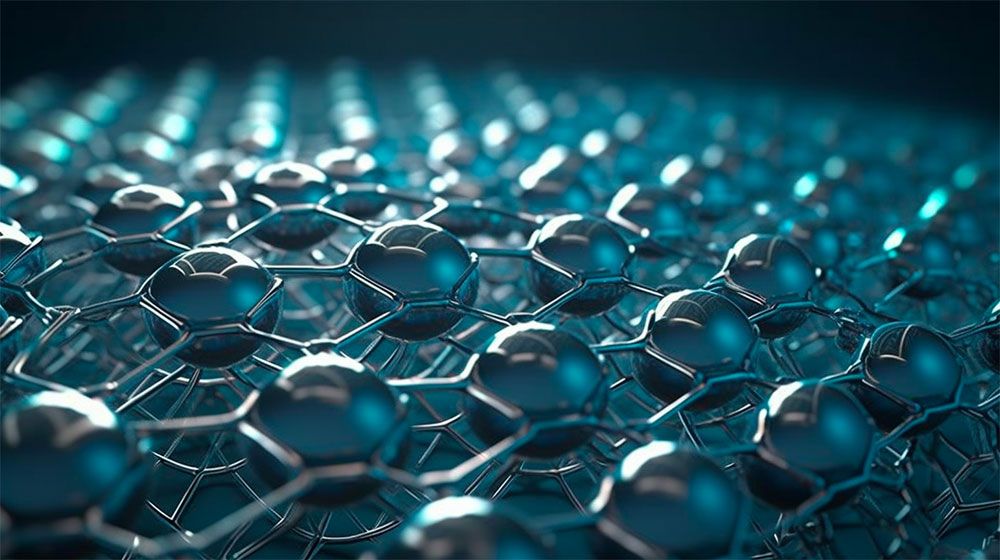
Nanotechnology has quietly become one of the most influential technologies of the 21st century. Although it operates on a scale far too small to see with the naked eye, its impact is rapidly becoming visible in medicine, materials science, consumer products, and even environmental protection. As research accelerates, nanotech is no longer a futuristic concept. It is already shaping the world around us in ways many people don’t realize.
What Exactly Is Nanotechnology?
Nanotechnology focuses on manipulating matter at the nanoscale, which ranges from 1 to 100 nanometers. For perspective, a single nanometer is one-billionth of a meter. At this scale, materials behave differently than they do in larger forms. Their electrical, chemical, and mechanical properties can change dramatically.
Scientists take advantage of these unusual properties to design new materials, smarter medicines, and innovative technologies. Because nanoparticles can interact with atoms, proteins, and DNA, the possibilities are nearly endless.
Nanotechnology in Medicine
Nanotechnology is transforming healthcare faster than most people expected, paving the way for more precise treatments and earlier diagnoses.
Smarter Drug Delivery
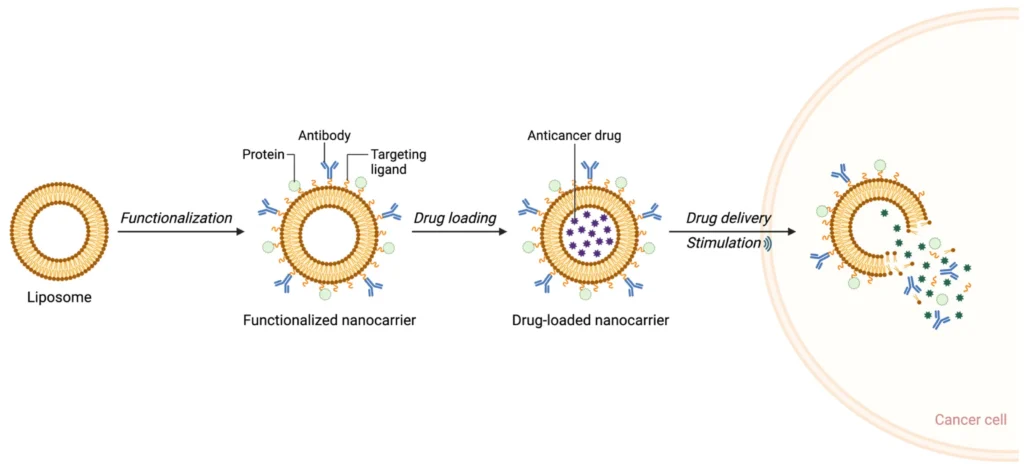
Traditional medicine often affects the entire body, even when only one part needs treatment. Nanoparticles can solve this problem by transporting drugs directly to diseased cells. This approach increases effectiveness and reduces side effects.
Examples include:
- Nanocarriers that release chemotherapy drugs only inside tumors
- Targeted nanoparticles designed to attach to specific proteins
- Nanoscale capsules that dissolve slowly for long-term treatment
Early Detection of Disease
Nanotech-based sensors are becoming powerful diagnostic tools. Because nanoparticles can detect tiny amounts of biomarkers, they allow for earlier identification of cancer, infections, and genetic disorders.
Researchers are developing tests that use nanomaterials to detect disease within minutes, even from just a drop of blood.
Regenerative Medicine
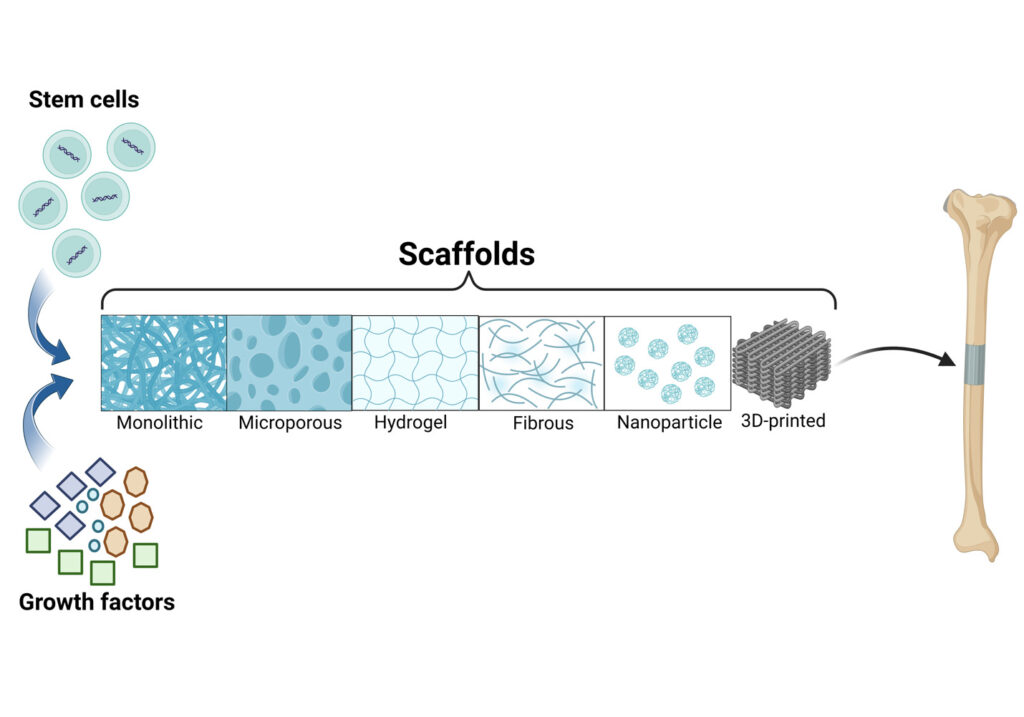
Scientists are experimenting with nanofibers and nanoscale scaffolds to help damaged tissues regrow. These materials can mimic the structure of human cells, giving the body a framework to repair itself. This technology could eventually help heal nerve damage, bone fractures, and even heart tissue.
Nanotechnology in Materials Science
Nanotech is also reshaping how everyday materials are made. Adjusting the structure of materials at the nano level can dramatically improve their strength, flexibility, or durability.
Stronger and Lighter Materials
Carbon nanotubes and graphene are famous examples. These materials are incredibly strong yet extremely lightweight. Industries such as aerospace, automotive manufacturing, and sports equipment are testing these materials to reduce weight while improving performance.
Self-Cleaning and Anti-Bacterial Surfaces
Nanocoatings can repel water, resist dirt, and prevent bacteria from sticking to surfaces. These coatings are now used in:
- Smartphone screens
- Hospital surfaces
- Kitchen appliances
- Solar panels
The same technology is being explored for clothing fabrics that never stain and windows that clean themselves when it rains.
Improved Electronics
Nanotechnology is pushing electronics to become smaller, faster, and more energy efficient. Transistors, the building blocks of digital devices, are already at the nanoscale. Continued progress could lead to more powerful processors, ultra-thin batteries, and flexible electronic devices.
Nanotechnology in Everyday Life
Even if you have never heard of nanotech, you likely use products enhanced by it.
Examples include:
- Sunscreen containing nanoparticles of zinc oxide or titanium dioxide
- Scratch-resistant coatings on glasses
- Food packaging that keeps produce fresh longer
- Water filters using carbon nanotubes to remove contaminants
- Sports gear made with nanofibers for better strength and comfort
Nanotech has even reached the cosmetics industry, where it helps deliver ingredients more effectively into the skin.
The Future of Nanotechnology
Although nanotechnology is already having a major impact, researchers believe we are still in the early stages. Potential future developments include:
- Artificial organs built from nanomaterials
- Smart clothing that monitors health in real time
- Nanobots capable of repairing cells from within
- Ultra-efficient solar cells
- Self-repairing buildings and infrastructure
As with any powerful technology, nanotech also raises ethical and safety questions. Scientists continue to study how nanoparticles behave in the environment and inside the human body to ensure that emerging applications are safe.
A Tiny Technology With Massive Potential
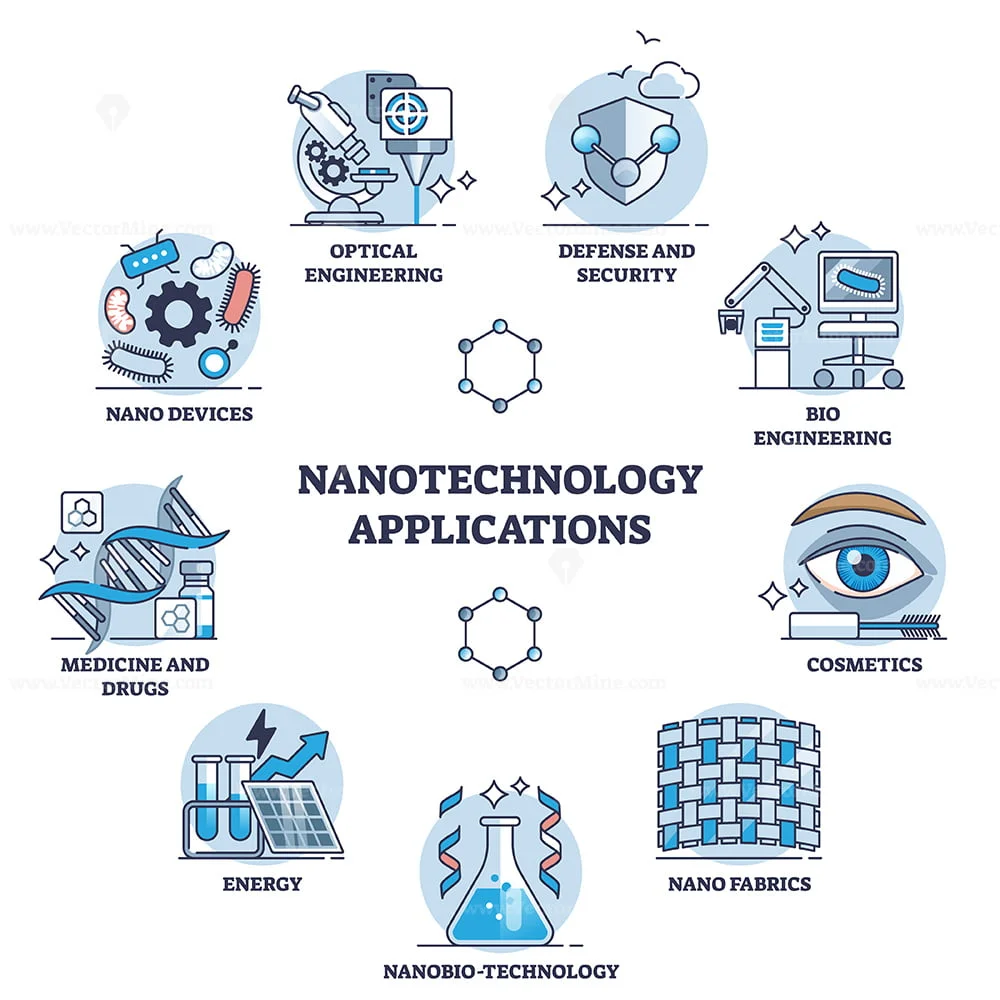
Nanotechnology may operate on the smallest scale imaginable, but its influence is enormous. From medicine and materials to consumer products and energy solutions, nanotech is reshaping our world in subtle yet significant ways. As research continues, these tiny tools could unlock new solutions to some of humanity’s biggest challenges.